
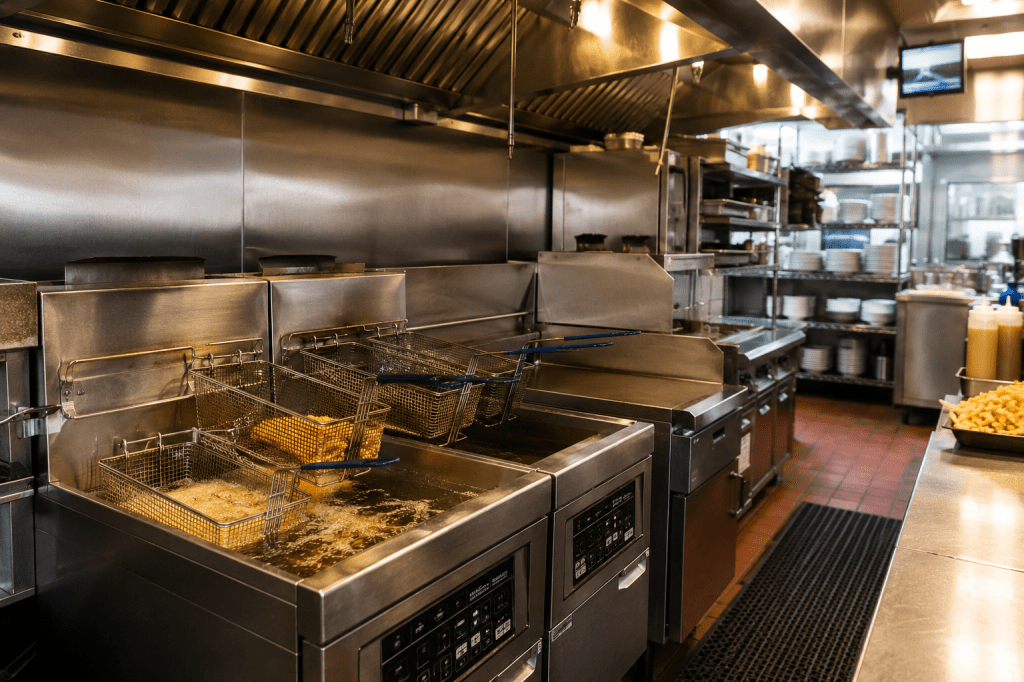
Running a restaurant means managing dozens of expenses every day, from ingredients and labor to utilities, equipment, and cleaning supplies. For restaurants that serve fried foods, one recurring expense can quickly add up: frying oil.
Commercial fryers may operate for hours at a time, and replacing oil more frequently than necessary can significantly increase food costs. At the same time, keeping deteriorated oil in service for too long can affect food quality, increase oil absorption, and make consistent frying more difficult.
The solution is not simply to use oil for as long as possible. It is to develop a frying oil management program that helps operators get maximum useful life from their oil while maintaining the quality customers expect.
Frying Oil Is More Than a Cooking Medium
Frying oil is essentially an ingredient.
It affects the color, flavor, aroma, texture, and overall quality of fried foods. When the oil is properly maintained, restaurants can produce crisp, golden products with greater consistency.
But frying oil begins changing as soon as it is heated.
High temperatures, oxygen, moisture from food, breading, crumbs, seasonings, and repeated frying cycles gradually degrade the oil. Eventually, the oil must be replaced.
Restaurants cannot eliminate this process, but they can manage the factors that cause unnecessary oil deterioration.
Longer Oil Life Means Fewer Oil Purchases
One of the clearest financial benefits of proper oil management is extending the useful life of each batch.
Consider a restaurant that routinely discards oil simply because it has reached a predetermined number of days in the fryer. If that oil is still performing adequately, the restaurant may be throwing away usable product.
Over weeks and months, unnecessary oil changes can represent a substantial expense.
A better approach is to maintain the oil properly and monitor its condition. When restaurants can safely obtain more productive frying time from each batch, they reduce the number of replacements required.
That means purchasing less frying oil over time.
Filtration Helps Protect Your Investment
Food particles are one of the major challenges in commercial frying.
Crumbs, breading, seasoning, and small pieces of food fall into the fryer during cooking. If they remain in the oil, they continue to cook and eventually burn.
These particles can contribute to darker oil, unwanted flavors, and reduced frying performance.
Regular filtration removes suspended food debris and contaminants before they continue deteriorating in the fryer. Skimming larger particles throughout the day can provide additional protection between filtration cycles.
For high-volume kitchens, filtration should be viewed as an essential part of controlling oil costs rather than an optional maintenance task.
Temperature Control Can Make a Financial Difference
Operating a fryer at unnecessarily high temperatures does more than waste energy. Excessive heat can accelerate oil degradation.
Restaurants should use appropriate frying temperatures for their products and avoid increasing the temperature simply to speed up production.
Idle fryers also deserve attention. Keeping oil at full frying temperature for long periods when no food is being cooked continues exposing it to thermal stress.
Following appropriate equipment procedures during slower periods can help reduce unnecessary exposure to heat while also improving energy efficiency.
Keep Water and Contaminants Away From Frying Oil
Moisture is unavoidable during frying because food naturally contains water. However, unnecessary moisture should be minimized.
Excess ice on frozen products, wet utensils, water around the fryer, and improper cleaning procedures can introduce additional moisture or contaminants into the oil.
Kitchen teams should also ensure that cleaning chemicals are kept completely separate from frying oil.
Small improvements in handling procedures can make oil management more consistent and help protect both the fryer and its contents.
Better Oil Can Mean Less Oil Absorption
Oil costs are not limited to what remains inside the fryer.
Some frying oil leaves the kitchen with every order because it is absorbed by the food. When food absorbs excessive oil, the restaurant is effectively sending part of its frying oil inventory out with each serving.
It can also negatively affect the customer experience by producing food that feels heavy or greasy.
Maintaining frying oil in good condition helps support the crisp texture and consistent results customers expect while helping manage overall oil consumption.
Consistency Can Reduce Food Waste
Poor oil management can create costs beyond the oil itself.
When frying performance becomes inconsistent, kitchens may produce food that is too dark, greasy, unevenly cooked, or otherwise below the restaurant’s standards.
That food may need to be discarded and prepared again.
Now the restaurant has potentially lost:
- The food itself
- Frying oil
- Employee time
- Energy
- Packaging or serving materials
Maintaining consistent oil conditions can help reduce these avoidable losses and make it easier for employees to deliver repeatable results throughout the day.
Fryer Cleaning Matters Too
Poorly maintained oil can contribute to deposits inside the fryer. At the same time, inadequate fryer cleaning can contaminate fresh oil and shorten its useful life.
A consistent cleaning schedule helps prevent old residues and carbon buildup from affecting newly added oil.
Restaurants should follow the fryer’s manufacturer instructions and establish clear procedures for cleaning, filtration, oil replacement, and routine maintenance.
These practices work together. There is little benefit in putting fresh oil into a fryer that has not been properly cleaned.
Add Antioxidant Protection to Your Oil Management Routine
Oxidation is another major contributor to frying oil deterioration. It occurs as oil reacts with oxygen, with high frying temperatures accelerating the process.
MirOil FryLiquid™ Antioxidant is designed to help slow oxidation and thermal degradation during commercial frying.
FryLiquid™ can be incorporated into a restaurant’s existing oil management routine. Determine the fryer’s oil capacity, measure the appropriate FryLiquid™ portion, and add it to hot oil at the start of each 6–8 hour frying session.
By helping maintain oil stability, FryLiquid™ supports longer oil usability, consistent frying performance, and better control over oil replacement costs.
Build a Complete Frying Oil Management Program
No single practice is responsible for maximizing frying oil life. The greatest benefits come from combining several good habits.
A practical program should include proper frying temperatures, frequent skimming, regular filtration, appropriate fryer cleaning, careful handling of food and moisture, and antioxidant protection.
Staff training is equally important. Everyone responsible for operating or cleaning the fryer should understand the restaurant’s procedures. A good oil management program becomes much more effective when it is followed consistently across every shift.
Small Savings Can Add Up
The financial impact of oil management becomes clearer when viewed over time.
Saving a little oil during a single shift might not seem significant. But restaurants operate hundreds of shifts every year. Reducing unnecessary oil changes, excessive oil absorption, food waste, and inefficient fryer operation can create cumulative savings.
For operations with multiple fryers or several locations, those savings can become even more meaningful.
The goal is not to keep frying oil indefinitely. Oil eventually reaches the end of its useful life and should be replaced. The goal is to avoid discarding it prematurely while maintaining acceptable food quality and frying performance.
Get More Value From Every Drop
Frying oil management is ultimately about efficiency.
Restaurants already pay for the oil. The question is how much productive frying they can achieve before that oil needs to be replaced.
By controlling temperature, filtering regularly, removing food particles, maintaining clean fryers, training employees, and using FryLiquid™ Antioxidant as part of an overall oil management program, restaurants can help extend oil life while maintaining the quality of their fried foods.
Better oil management can mean fewer oil purchases, less waste, more consistent food, and better control over restaurant operating costs.


 Fryliquid by MirOil
Leave a comment